
we don’t get paid until you do
call 918-528-0222
Can I Sue Over an Injury at a Lake Vacation Rental?
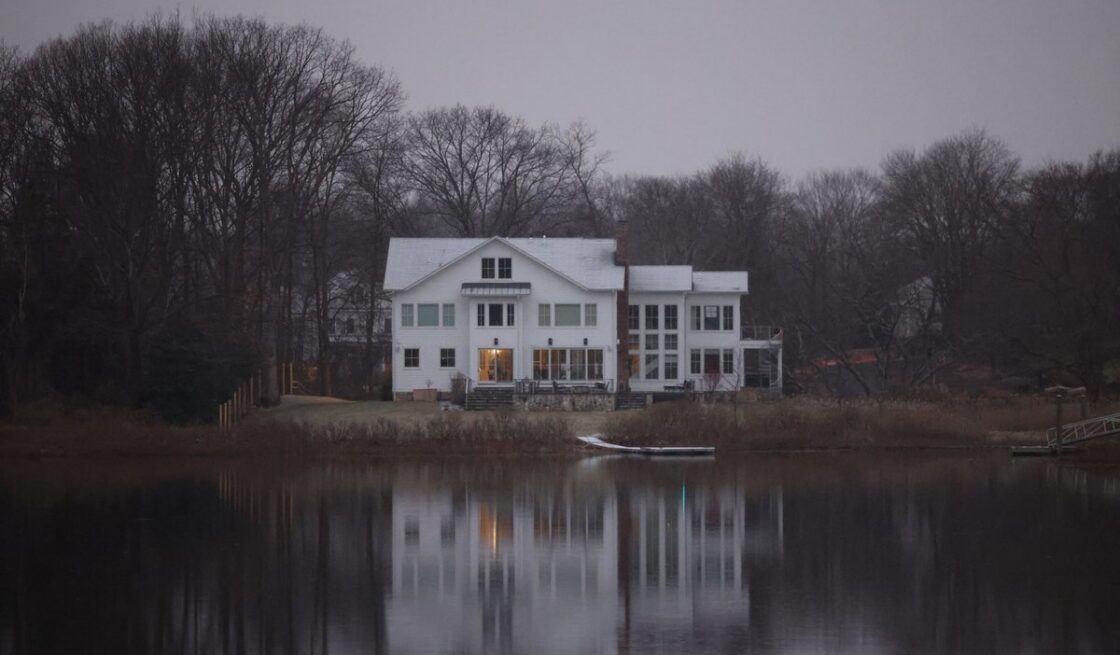
A week at a lake house is supposed to be the easy part of summer. Then a deck rail gives way, a stair tread collapses, or someone dives off a dock into water far shallower than it looked.
If that happened to you, the question of whether you can sue over an injury at a lake vacation rental usually has a favorable answer. Paying guests get the strongest protection Oklahoma premises law offers. The complications are about who owns what and which policy responds.
Who Can Be Held Responsible?
A short-term rental has more parties behind it than most guests realize:
- The property owner
- A property management company handling maintenance and turnovers
- A contractor who built or repaired a deck, stairs, or dock
- An electrician whose work on a dock or hot tub did not meet code
- A neighboring dock owner, if the hazard came from next door
- The booking platform, in limited circumstances
Identifying the right defendant early matters, because the owner and the management company often point at each other.
What Duty Does the Owner Owe a Paying Guest?
Oklahoma still uses the traditional premises classifications, and your status controls the duty.
A paying vacation renter is generally an invitee, someone on the property for the owner’s business benefit. That is the highest duty in Oklahoma’s system. The owner or occupant must use ordinary care to keep the property in a reasonably safe condition, and must remove or warn about hidden dangers they know about or should have discovered through reasonable care.
That “should have discovered” part is the key. An owner renting a house for money cannot simply avoid looking. Inspecting between guests is part of running the property.
By contrast, a licensee is a social guest, someone there for their own pleasure by permission. The duty there is narrower: disclose dangerous defects known to the owner that the guest is unlikely to discover, including hidden traps and snares.
So a friend you invited along may be in a different legal position than the person whose name is on the booking. Both can often still recover.
What Hazards Produce These Claims?
Lake rentals have a particular set:
- Rotted or unsecured deck boards and railings
- Steep or poorly lit exterior stairs down to the water
- Docks with loose planking, missing rails, or broken swim ladders
- No depth markings and no warning about shallow water or drop-offs
- Faulty dock or boathouse wiring, which can energize the water
- Hot tubs with bad wiring, missing covers, or no chemical maintenance
- Pools without required fencing or gates
- Missing smoke or carbon monoxide detectors
- Unsafe fire pits and grills
- Boats or watercraft provided with the rental in poor condition
Where the rental includes dock access on Grand Lake, GRDA’s lake rules require permits for docks and require dock electrical systems to meet the National Electrical Code, with a certificate from a licensed Oklahoma electrical inspector. Whether that paperwork exists is a fair question in any dock injury case.
Does the Rental Agreement or Waiver Block Your Claim?
Usually not the way the owner hopes. Waivers are read narrowly, and they generally do not excuse gross negligence or a violation of a safety requirement. A clause buried in a booking confirmation is not the end of the analysis.
Have the agreement reviewed rather than assuming it settles the question.
What Insurance Actually Covers It?
This is where vacation rental cases get complicated, and where guests are often told there is no coverage when there is.
Possible sources include:
- A commercial or short-term rental policy, which owners renting regularly are supposed to carry
- A homeowner’s policy, though many exclude or limit commercial rental activity
- An umbrella policy above either of those
- A property manager’s liability coverage
- Protection programs offered through booking platforms, which have their own terms and deadlines
An owner running a rental business on a standard homeowner’s policy may face a coverage dispute with their own insurer. That dispute is between them and their carrier, and it should not be your reason to walk away.
What Do You Have to Prove?
The elements are straightforward:
- The owner or occupant owed you a duty based on your status
- They knew or should have known about the dangerous condition
- They failed to repair it or warn you
- That failure caused your injury
- You suffered real damages
Expect the defense to argue the hazard was open and obvious, meaning you should have seen it. That argument has less force with hidden conditions such as rot under a painted board, a stair tread that looks sound, or energized water.
Oklahoma also applies comparative negligence under 23 O.S. § 13, so you can recover if your share of the fault was 50% or less, with your award reduced by your percentage.
What Should You Do After an Injury at a Rental?
Evidence at a rental turns over with the next guest, so move quickly:
- Photograph the exact hazard before anything is repaired or replaced
- Report it in writing through the booking platform so there is a timestamp
- Save the listing, photos, and description, which may have promised safety features
- Keep the rental agreement and all messages with the owner or manager
- Get names and contact details for everyone in the house
- Get medical care the same day
- Ask in writing that the condition be preserved
Listing screenshots matter more than people expect. A listing advertising a “newly rebuilt dock” or “gated pool” creates an expectation the owner has to live up to.
What Deadlines Apply?
Most Oklahoma injury claims must be filed within two years under 12 O.S. § 95, and wrongful death claims run two years from the date of death. If a government body is somehow involved, written notice may be due within one year under 51 O.S. § 156.
Booking platform claim programs can impose much shorter reporting windows of their own, so do not wait on those.
Pursue a Lake Rental Injury Before the Next Guest Checks In
A vacation rental is a business, and the person paying to stay there is owed real care. What decides these cases is usually whether the hazard got photographed before the handyman arrived, and whether the right policy gets identified early.
2|22 Injury Lawyers has recovered more than $80 million for Oklahomans and takes on property owners, managers, and insurers who would rather call it bad luck. We work on contingency, so you pay nothing unless we recover for you.
Contact us for a free case review. You can also read about our premises liability claims, Grand Lake injury claims, and wrongful death claims.

Oklahoma City Office
2|22 Injury Lawyers™, PLLC
7301 Broadway Ext Suite 222
Oklahoma City, OK 73116
Request a Free Consultation
We Don’t Get Paid Until You Do
Fields Marked With An * Are Required

Tulsa Office
2|22 Injury Lawyers™, PLLC
1217 E 33rd St.
Tulsa, OK 74105
*Please send all mail correspondence to this location
visit us
Oklahoma City Office
2|22 Injury Lawyers™, PLLC
7301 Broadway Ext Suite 222
Oklahoma City, OK 73116
visit us
Tulsa Address
2|22 Injury Lawyers™, PLLC
1217 E 33rd St.,
Tulsa, OK 74105
*Please send all mail correspondence to this location
call us
toll free 918-528-0222
© Copyright 2026 2|22 Injury Lawyers™. All rights reserved.