we don’t get paid until you do
call 918-528-0222
Tulsa Product Liability Lawyer
Product Liability Attorneys in Tulsa, OK
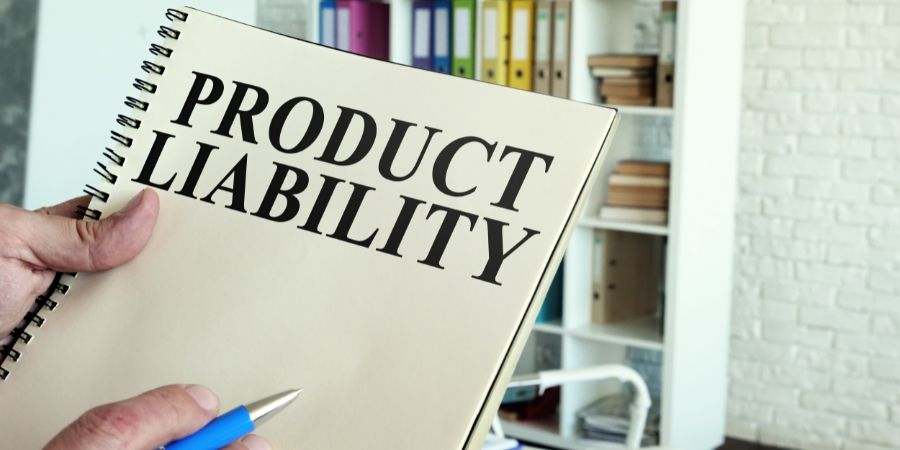
All product manufacturers have a responsibility to their consumers: to produce safe and effective products that perform as advertised and do not pose any extraordinary risks to end users. In fact, that’s the law. Unfortunately, many Americans suffer injuries from defective and unreasonably dangerous consumer products each year, some of which are catastrophic or fatal. Often, these manufacturers are protected by big legal entities and insurance companies – groups that aren’t looking after your best interests. Don’t let these types of companies bully you after you’ve been hurt by a poorly made product.
When you’ve purchased a product, you expect it to work as it claims. Injuries as a result of poor manufacturing, wrong instructions, or faulty parts shouldn’t affect your life. If it has, you need a skilled Tulsa product liability attorney. Call on us to make sure you have a trusted attorney in your corner. We are there for the little guy.
Legal Counsel for Tulsa Product Liability Claims
If you or a loved one recently suffered an injury from a product you believe was defective, unreasonably dangerous, or failed to include appropriate instructions for safe use, contact our firm You may have grounds for a product liability claim. Going up against a large corporation can be intimidating, but it’s often the best way to get money for the injury you’ve suffered. No business is so big that they should get away with hurting people. Get payment for your losses and protect others, too.
222 Injury Lawyers are the team of attorneys you need. We aren’t afraid to take on cases against large corporations, and we believe in helping our clients get the payout that they deserve. Our team has years of experience handling a wide range of civil claims, including product liability claims. The Tulsa product liability attorneys at our firm are ready to help you reach the best settlement possible so you can get the money you deserve. We will represent your best interests during any settlement negotiations. If we don’t think you will get what’s fair, then we aren’t afraid to take your case to court.
Why Do I Need a Product Liability Attorney?
Product liability cases are complicated. In many situations, there are a myriad of potential explanations for a product error, and the companies will make a diligent effort to blame the situation on someone else. Many companies that manufacture, market, and sell products have significant income. They can afford to hire in-house attorneys to protect them in these situations. This leaves victims in a vulnerable position and at risk of being financially responsible for the outcome of a product malfunction.
If you have suffered an injury because of a defective product, you deserve to have financial and medical support while you heal. The only way to achieve this is with a personal injury settlement. Securing such support requires the advice of a product liability attorney.
Our team at 222 Injury Lawyers is here to represent you for the duration of your product liability case. We are top Tulsa product liability lawyers, and we are ready to help you.
Understanding Product Liability
Manufacturers are responsible for what they make and how they market it. If they make a bad product and someone gets hurt, then they should pay for the damage their product caused. Likewise, if they market their product in a way that makes it dangerous, then they could be responsible for any harm that happens because of it. Consider this example – a chair is designed for sitting but the manufacturer advertises that it would be great to sleep in. If sleeping in the chair hurts a person’s spine, then the manufacturer might be responsible for the medical bills and lost time at work it cost the purchaser.
Products must meet state and federal regulations, depending on their use. If they don’t a product liability claim may make sense. A product liability claim may be your best solution if:
- A product is defective by design and there is an inherent flaw in the original plans for the product, affecting every product made using those plans. This type of defective product claim is most likely to lead to a recall of affected products.
- A product is defective by production due to an error in the manufacturing process. This type of defect could only extend to specific products or production lots. Manufacturers must contact affected consumers, if possible, to alert them of their discovery of manufacturing defects.
- A product lacks required warning stickers, safety notices, and instructions for use. All product manufacturers must follow their industry-specific regulations pertaining to safety indicators on their products, appropriate package design, and instruction for use.
- A consumer product poses an unreasonable risk to the user’s safety through the normal use of the item. For example, a kitchen knife is inherently dangerous but only if misused. However, if an end user attempts to use the knife correctly and the handle shatters, causing injury, this would be an unreasonable product quality issue.
- A product fails to perform as advertised, does not meet claimed manufacturing specs, or otherwise fails to deliver a safe and effective experience for the end user.
When a product manufacturer’s defective product has injured someone, then they are legally responsible for the victim’s damages – meaning they must pay for the victim’s losses. They may also need to issue a recall for all their other products that share the same defect.
Filing a Product Liability Claim in Oklahoma
If you or a loved one suffered injuries in Tulsa from a dangerous and/or defective consumer product, contact our firm. You have the right to file a product liability claim to get money back for your losses. Some people may learn that class-action lawsuits are already in progress against manufacturers from others who have experienced similar harm.
A class action lawsuit is when a group of people who have all been hurt by the same product come together to hold the manufacturer responsible through the law.
An experienced Tulsa or Oklahoma City product liability attorney can advise you as to whether joining a class action already in progress or filing an individual civil claim would be best for you.
A product liability claim works like a personal injury claim. Like a personal injury claim, you must prove who caused you harm. In most product liability claims, it is the manufacturer. You must also prove that their product is what hurt you and how that changed your life. Of course, this isn’t anything you have to do on your own. The right Tulsa product liability attorney can help you at every stage of the process.
Along with the money that you lost, you may also be able to get money for the pain and suffering the harm caused you and your family.
FAQs About Tulsa, OK Products Liability Law
What Are the 3 Types of Product Liability Claims?
The three main types of product liability claims are:
- Manufacturing Defects: These encompass situations where an object was incorrectly made.
- Marketing Defects: These involve any failure to warn a consumer about a product. The company may also have provided false advertising about what it does.
- Breach of Warranty: This occurs when a product does not live up to the basic warranty that the manufacturer provided.
To have a claim, an incident involving one of these must result in an accident or injury.
How Do You Win a Product Liability Claim?
The most effective way to win a product liability case is by hiring an attorney. An attorney can help you build a strong liability claim case against the product’s company and present it in court. These cases are complicated, and most manufacturing companies have extensive resources for legal representation. Without an attorney of your own, it will be difficult to win your case and achieve the financial support that you need.
What Is the Product Liability Act in Oklahoma?
The product liability act states that a seller cannot be held liable for a defective product that they sold but did not manufacture, unless the defect was caused by seller negligence. For example, your local big box store cannot be held responsible for selling you a space heater that was improperly made. However, they can be held responsible if they store the space heater in a wet area, and it causes an electrical shock when you get home and plug it in.
What Is the Statute of Limitations for Product Liability in Oklahoma?
The statute of limitations for a product liability case is two years after the consumer sustains an injury. This is only applicable if the situation falls under one of the three main types of product liability cases. In many situations, a consumer cannot file a product liability claim if the product’s warranty has expired. If the warranty has expired, the company will likely argue that user error or natural wear and tear led to the accident.
What to Expect From a Tulsa Product Liability Attorney
When you choose 222 Injury Lawyers to represent you in a Tulsa product liability claim, you have someone fighting for you with years of experience in Oklahoma civil law. If you’re ready to discuss your legal options with a team of Tulsa attorneys that you can rely on to guide you through your case successfully, contact 222 Injury Lawyers today and schedule your consultation with us.

Oklahoma City Office
222 Injury Lawyers, PLLC
629 W Main St. Suite 103
Oklahoma City, OK 73102
Request a Free Consultation
We Don’t Get Paid Until You Do
Fields Marked With An * Are Required

Tulsa Office
222 Injury Lawyers, PLLC
1217 E 33rd St.
Tulsa, OK 74105
*Please send all mail correspondence to this location
visit us
Oklahoma City Office
222 Injury Lawyers, PLLC
629 W Main St. Suite 103
Oklahoma City, OK 73102
visit us
Tulsa Address
222 Injury Lawyers, PLLC
1217 E 33rd St.,
Tulsa, OK 74105
*Please send all mail correspondence to this location
e-mail us
call us
toll free 918-528-0222
© Copyright 2024 222 Injury Lawyers. All rights reserved.