
we don’t get paid until you do
call 918-528-0222
Tulsa Motorcycle Accident Lawyer
Motorcycle Accident Attorneys in Tulsa, OK
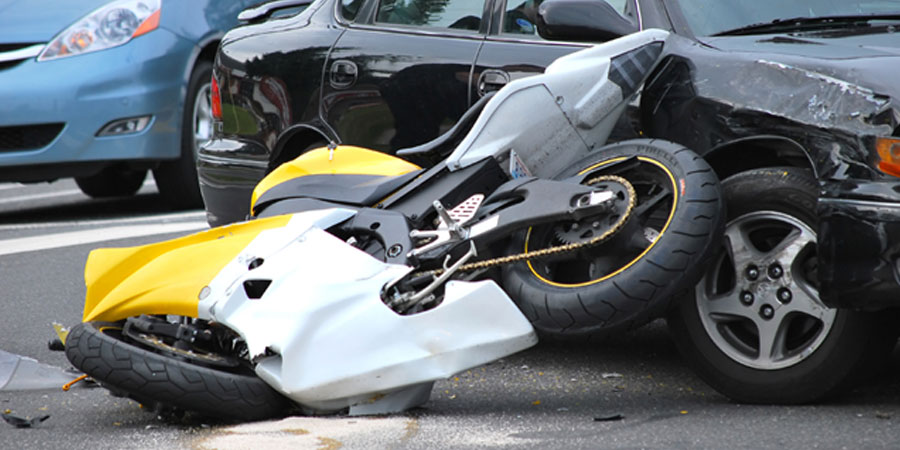
The freedom of riding a motorcycle is something many Tulsa residents look forward to each year. However, people should be able to enjoy riding their bikes without worrying about negligent drivers. Unfortunately, motorcycles offer their riders very little protection when accidents happen. Whenever a motorcycle accident occurs in the Tulsa area, the person injured is very likely to suffer catastrophic or even life-threatening injuries. Even if a victim receives emergency care, they can still face long-term or permanent effects from their accident.
If a motorcycle accident has left you vulnerable, let us help. Insurance companies don’t always deal fairly with vulnerable victims, so we’re there to make sure your rights are protected. We ensure the little guy gets the most money for their suffering after a Tulsa motorcycle injury.
Legal Representation for Tulsa Motorcycle Accident Injury Claims
If you or a loved one recently suffered injuries while riding your motorcycle in Tulsa and believe another driver is responsible, let the attorneys at 222 injury Lawyers help you. The right attorney can help you hold them accountable and help you get payment for the money this accident cost you. State law is relatively flexible regarding the money you could receive from the defendant if you succeed with your claim. That means the payment you get could be more than you initially expect. If you want the best chances of success in all of the recovery efforts you pursue after your motorcycle accident, let us help. A Tulsa motorcycle accident attorney will help you get the money you deserve after a motorcycle accident.
Our attorneys at 222 Injury Lawyers have many years of experience in these cases. We believe in compassionate, approachable legal care because we truly care about you and your family. You can trust our team during this difficult time in your life. We can work diligently to earn the settlement that you deserve for your injury. Our experience and customer service are unmatched in Tulsa, Oklahoma.
Common Legal Complications in Motorcycle Accident Cases in Tulsa, OK
The recovery for a motorcycle claim is much different than other types of car accidents. That is partly because injuries are much worse than other types of accidents. While an enclosed passenger vehicle, like a car or truck, has many standard safety features designed to protect people in a crash, a motorcycle offers virtually no physical protection.
Motorcycle riders can only rely on high-quality helmets and other protective outerwear to keep them safe from other cars on the road. Keep in mind, too, that riders often are injured twice – first from the collision and second from hitting the ground. Because of this, the injuries can be devastating and require years of healing to recover.
The first major hurdle to any motorcycle accident recovery is figuring out the details of the accident so we can figure out what caused it. Your Tulsa motorcycle accident attorney can help you with this, especially if you were seriously injured and don’t remember everything that happened. Once you and your legal team figure out who is responsible for the accident, then the next phase will be calculating how much money this party owes you for the trauma you went through.
Filing a Insurance Claim for a Motorcycle Accident in Tulsa, OK
Many people who are hurt in a motorcycle accident may not know what to do when it comes to their insurance.
Oklahoma law says that every driver must have auto insurance coverage that meets the state’s minimum coverage requirements for bodily injury and property damage liability. However, the damages resulting from a serious motorcycle crash are usually much higher than any at-fault driver’s insurance coverage limits. Even seemingly straightforward claims for getting paid back for expenses can be very challenging when you have to deal with insurance company representatives. The other driver’s insurance companies aren’t looking out for you, so it’s best to talk with your attorney before accepting any money.
Your Tulsa motorcycle accident attorney can help you file your claim against the at fault party’s insurance policy. If there are any disagreements regarding liability, we will help. Once an insurance company representative notices that a claimant has an experienced attorney, they know they can’t take advantage of the situation and instead treat your claim as it should be treated.
Filing a Civil Claim for a Motorcycle Accident in Oklahoma
Any motorcycle accident has the potential to cause life-changing injuries. Traumatic brain damage, spinal cord injuries, damage to internal organs, and severely broken bones are just a few examples of the types of injuries these incidents may cause.
Any personal injury claim filed in Tulsa must identify who caused the accident to prove the claimed damages are the sole results of their actions. Your Tulsa motorcycle accident attorney will help you gather the evidence you need to support your case and hold the defendant accountable. If the fault is clear, the insurance company may want to settle the case swiftly. You will need an experienced attorney to guide you through these settlement negotiations. If the settlement isn’t enough or is unfair, you will need an experienced trial attorney to prepare you for court.
Oklahoma state law lets victims of accidents get the full costs for their injuries during a personal injury case. Economic losses include medical expenses, vehicle repair costs, and lost income. In addition, victims may also seek money for future economic loss and the pain and suffering resulting from their motorcycle accident. With the right attorney handling your claim, you could potentially receive more money than you initially expected.
FAQs About Tulsa, OK Motorcycle Accident Law
How Long Does a Motorcycle Accident Claim Take to Settle?
Typically, it takes six months to a year to settle a motorcycle accident case. However, these cases can be complicated. If you have mitigating factors that make your situation especially complicated, or if your case must proceed to court, it can take longer to settle. Hiring an attorney may help to speed the process along by ensuring that you meet all necessary deadlines. Your attorney may be able to settle outside of court, which can shorten the process immensely.
How Do I Claim Insurance on a Motorcycle Accident?
Creating a motorcycle accident claim is the same as any car accident, except you will contact your motorcycle insurance company if you are the motorcyclist. If you are not the motorcyclist, you will go through the claims process with your auto insurance. Oklahoma is an at-fault state. This means that your insurance company will work with the other driver’s insurance company to determine who is at fault. After that, they can decide which company needs to pay.
What Do You Do If You Witness a Motorcycle Accident?
If you witness a motorcycle accident, call 911 right away. Because motorcycles lack the protective frame and features of a car, it is very easy for motorcyclists to sustain serious injuries from an accident. In most situations, medical help is necessary. Remain at the scene until medical help arrives. Offer your name and contact information to be a witness, if appropriate. Give your statement to the police as well, and include as many details as possible about the incident.
Who Is Responsible for Most Motorcycle Accidents?
Usually, the driver of the car or vehicle other than the motorcycle is responsible for motorcycle accidents. Many car drivers neglect to check their blind spots when they merge or change lanes. Accidents resulting from this offense disproportionately impact motorcyclists. Many drivers also fail to give motorcyclists enough room on the road, which can lead to further accidents. Although motorcyclists can cause collisions by moving in and out of lanes or performing tricks, car drivers are usually to blame.
How Much Does a Tulsa Motorcycle Accident Lawyer Cost?
Personal injury attorneys typically take a percentage of their clients’ settlements as payment. The average is 33%, but the exact percentage varies from attorney to attorney. Be sure to ask any potential Tulsa motorcycle accident lawyer about their rates so that you are not surprised by the final bill. Asking about attorney costs can also help you remain within your budget. This also allows you to plan for medical bill payments and other expenses. Having an attorney may help you get a higher settlement.
Contact Our Tulsa, OK Motorcycle Accident Lawyers Today
When you believe another party is responsible for harming you or a loved one, find legal counsel you can trust. 222 Injury Lawyers have years of professional experience in complex injury claims. We have helped many injured motorcyclists from the Tulsa area with their damage claims and assisted in high net payments for their losses. Our team is ready to put this experience to work in your motorcycle accident claim so you can recover as fully as state law allows.
222 Injury Lawyers care about our clients and want them to get the best possible recovery. When you need help, we will be in your corner. You don’t have to face insurance companies alone, especially when they are looking out for their bottom line – not yours. Schedule a consultation with a Tulsa motorcycle accident lawyer who protects the little guy. Contact 222 Injury Lawyers today and find out how we can assist you in your recovery efforts.

Oklahoma City Office
222 Injury Lawyers, PLLC
629 W Main St. Suite 103
Oklahoma City, OK 73102
Request a Free Consultation
We Don’t Get Paid Until You Do
Fields Marked With An * Are Required

Tulsa Office
222 Injury Lawyers, PLLC
1217 E 33rd St.
Tulsa, OK 74105
*Please send all mail correspondence to this location

visit us
Oklahoma City Office
222 Injury Lawyers, PLLC
629 W Main St. Suite 103
Oklahoma City, OK 73102
visit us
Tulsa Address
222 Injury Lawyers, PLLC
1217 E 33rd St.,
Tulsa, OK 74105
*Please send all mail correspondence to this location
e-mail us
call us
toll free 918-528-0222
© Copyright 2024 222 Injury Lawyers. All rights reserved.