
we don’t get paid until you do
call 918-528-0222
Tulsa Premises Liability Lawyer
Premises Liability Attorneys in Tulsa, OK
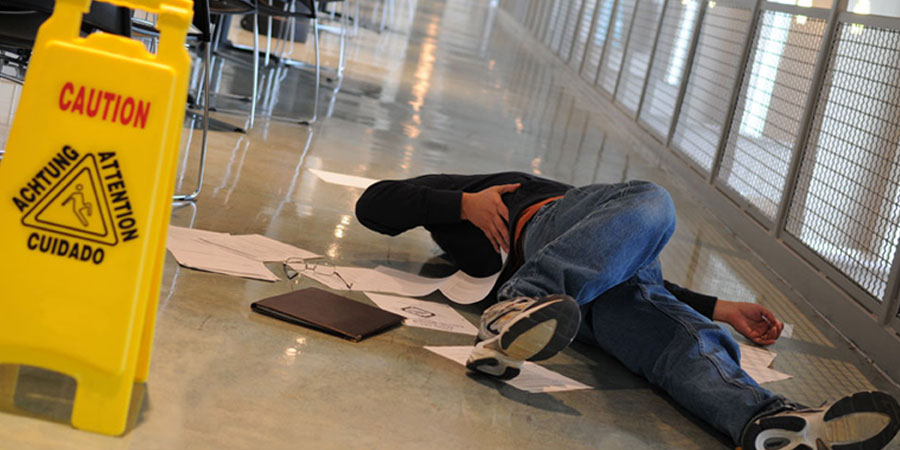
When a property owner doesn’t care for their property and someone gets hurt, that injured person can file a personal injury claim to get paid back for what they lost based on the injury. Anyone who owns a house or a business must protect visitors to that property. State law requires all property owners to take care of their properties, addressing any safety issues as they arise or at least warning guests and visitors if they are likely to come across them. Unfortunately, not all private property owners in the Tulsa area uphold their responsibilities.
At 222 Injury Lawyers, we believe in protecting the little guy. We also understand the bullying tactics of insurance companies and believe in protecting the vulnerable against them.
Professional Legal Representation for Tulsa Premises Liability Claims
If you or a loved one suffered any type of injury on another party’s property, call our office. When you work with us, you have someone you can trust in your corner. In fact, you may be able to file a personal injury claim under the state’s premises liability laws. This type of case is like a personal injury claim but the injury happened because someone didn’t take care of their home, office, or surrounding area. 222 Injury Lawyers has years of professional experience handling complex personal injury claims, including premises liability laws.
Common Types of Premises Liability Claims
Premises liability covers a lot of what is known as civil law – non-criminal cases. It’s often the kind of case where insurance companies swoop in to take advantage of the little guy. When you work with us, we make sure to protect the vulnerable against such tactics.
Any injury that occurs while someone is on another party’s property means there is possibility for a premises liability claim.Oklahoma’s premises liability laws generally protect guests, neighbors, and others seeing the property for personal reasons, as well as utility workers, mail carriers, and those who have implied permission to enter the property.
A premises liability claim happens with owners don’t take proper care of their property and it causes someone to get hurt. When that happens, victims can get paid for the medical expenses and lost time at work that it costs them.
Commonly filed types of premises liability claims in Tulsa include:
- Slip or trip and fall accidents. This is the most common type of premises liability action filed in the Tulsa area. It could happen if a grocery store floor is wet and wasn’t attended to quickly enough and someone falls. Another example might be products left in aisles that cause customers to trip.
- Dog bites. The state enforces strict liability for dog bites within the city limits, so a dog’s owner is generally fully responsible for any and all injuries their pet causes to others. If you were hurt by a property owner’s dog while lawfully visiting the property, the property owner may owe money for your injury.
- Dram shop/bar liability. A dram shop, bar, or any establishment that sells and/or serves alcohol must be extra responsible. If they continue serving clearly intoxicated patrons or underage customers who then proceed to cause damage to others while drunk, they may owe accident victims money under premises liability laws.
- Improper/negligent maintenance. Property owners must perform regular maintenance of their properties. This is especially important for private commercial property owners to prevent injuries to customers. Broken steps, improper lighting, or trip hazards are all examples of poor maintenance that could cause someone to injure themselves.
- Failure to clear snow, ice, and water.
- Wrongful death. If you recently lost a loved one due to an accident they suffered on another party’s property, call our firm. A Tulsa premises liability attorney will be able to help you during such a difficult time.
Premises liability claims can be tricky. If you aren’t sure your injury happened because of poor property upkeep or whether your injury is serious enough for a claim, let us help. We will give your case the attention it deserves and help you get the money that you need to recover.
Recovering From Your Personal Injury in Tulsa, OK
Contacting our firm may be your first step in recovering the money you’ve lost from your injury. Once it’s clear that the property owner is the at fault, you have to prove how serious your injuries are.
A premises liability claim is a type of personal injury claim. You may be awarded money back for what you paid for during your recovery. A personal injury claim may mean money back for:
- Medical expenses, both those you that happened right away and any long-term medical care costs for managing symptoms and paying for ongoing care.
- Lost income. If your injury kept you from working for any significant time, you could hold the defendant accountable for the income you lost during this time. You may also be repaid for any vacation time or accrued paid time off you had to use because of the injury.
- Lost future income. Some people can’t go back to their job at all due to the injury. The defendant may be responsible for paying for your lost future wages if you aren’t able to work in your previous career.
- Property loss, such as the cost of replacing or repairing personal belongings damaged or destroyed in the incident in question. If your phone fell out of your pocket during a fall or jewelry was stolen during a mugging due to bad lighting, these items can be included in what the property owner must pay you back for.
Aside from getting money for what you already have paid, plaintiffs in Oklahoma civil claims for damages may also seek money for their pain and suffering. While there is no price on being able to walk or not have trauma from an incident, courts will try to make up for this suffering with more money. A good Tulsa premises liability attorney can help figure out what such a number might be.
Contact Our Tulsa, OK Premises Liability Lawyers Today
Success with any premises liability claim means proving a property owner’s neglect caused your accident. While that may seem straightforward, these cases can be challenging. That’s especially true when facing big insurance companies who treat your injury like a game rather than a way for you to get the money you need to recover.
222 Injury Lawyers are compassionate and experienced attorneys who protect the little guy. If you are ready to discuss your recovery options with an experienced Tulsa premises liability attorney, contact 222 Injury Lawyers today and schedule your consultation with our team.
Oklahoma City Office
222 Injury Lawyers, PLLC
629 W Main St. Suite 103
Oklahoma City, OK 73102
Request a Free Consultation
We Don’t Get Paid Until You Do
Fields Marked With An * Are Required

Tulsa Office
222 Injury Lawyers, PLLC
1217 E 33rd St.
Tulsa, OK 74105
*Please send all mail correspondence to this location

visit us
Oklahoma City Office
222 Injury Lawyers, PLLC
629 W Main St. Suite 103
Oklahoma City, OK 73102
visit us
Tulsa Address
222 Injury Lawyers, PLLC
1217 E 33rd St.,
Tulsa, OK 74105
*Please send all mail correspondence to this location
e-mail us
call us
toll free 918-528-0222
© Copyright 2024 222 Injury Lawyers. All rights reserved.